


In Korea, comfort begins from the ground up. For centuries, homes have been warmed through ondol, a radiant heating system that turns the floor into a gentle source of heat. This design shaped how houses were built, how families gathered, and how people lived and continue to live.
The Origins of Ondol
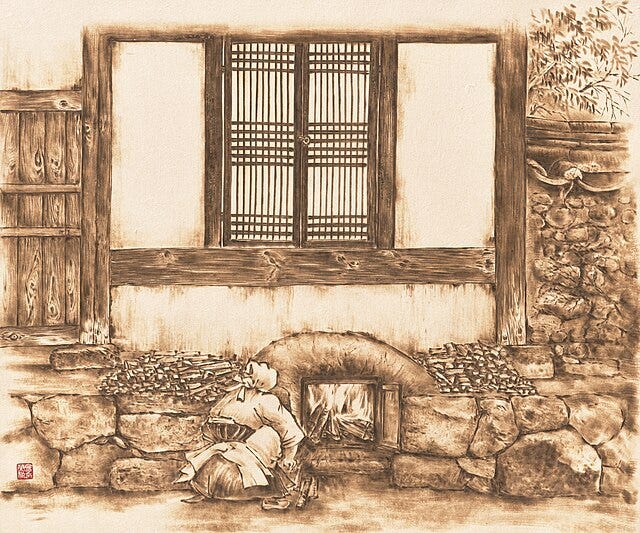
The word ondol (온돌) literally means “warm stone.” It refers to a traditional Korean underfloor heating system that channels heat from a hearth, often in the kitchen, through stone-lined flues beneath the floor.
Archaeological evidence suggests early versions of ondol appeared in the northern Korean peninsula during the Three Kingdoms period (57 BCE–668 CE). Early forms heated only part of a room, but by the Joseon dynasty (1392–1897) the system had evolved into full-room floor heating used throughout homes.
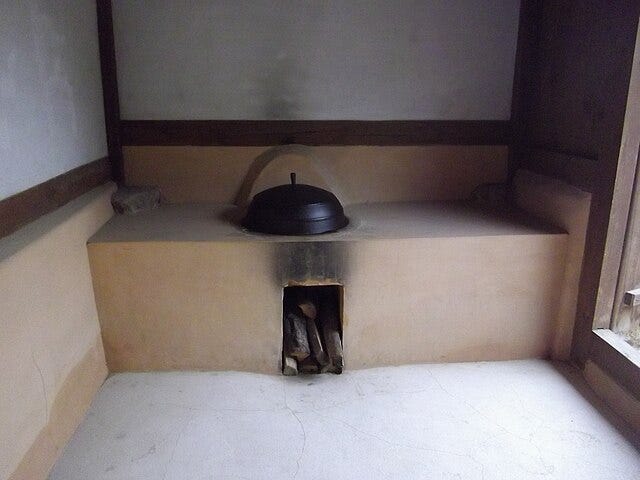
Traditional ondol worked through a carefully engineered process: first, a fire was lit in the kitchen hearth. The hot smoke traveled through horizontal flues beneath the floor. Stone slabs then absorbed and slowly radiated heat upward. The system allowed smoke to exit through an external chimney.
This system created gentle, lasting warmth that could remain for hours after the fire had gone out.
How Ondol Shaped Korean Homes
Because heat radiated upward, the warmest place in the house was the floor itself, so Korean architecture and interiors evolved around floor-based living.
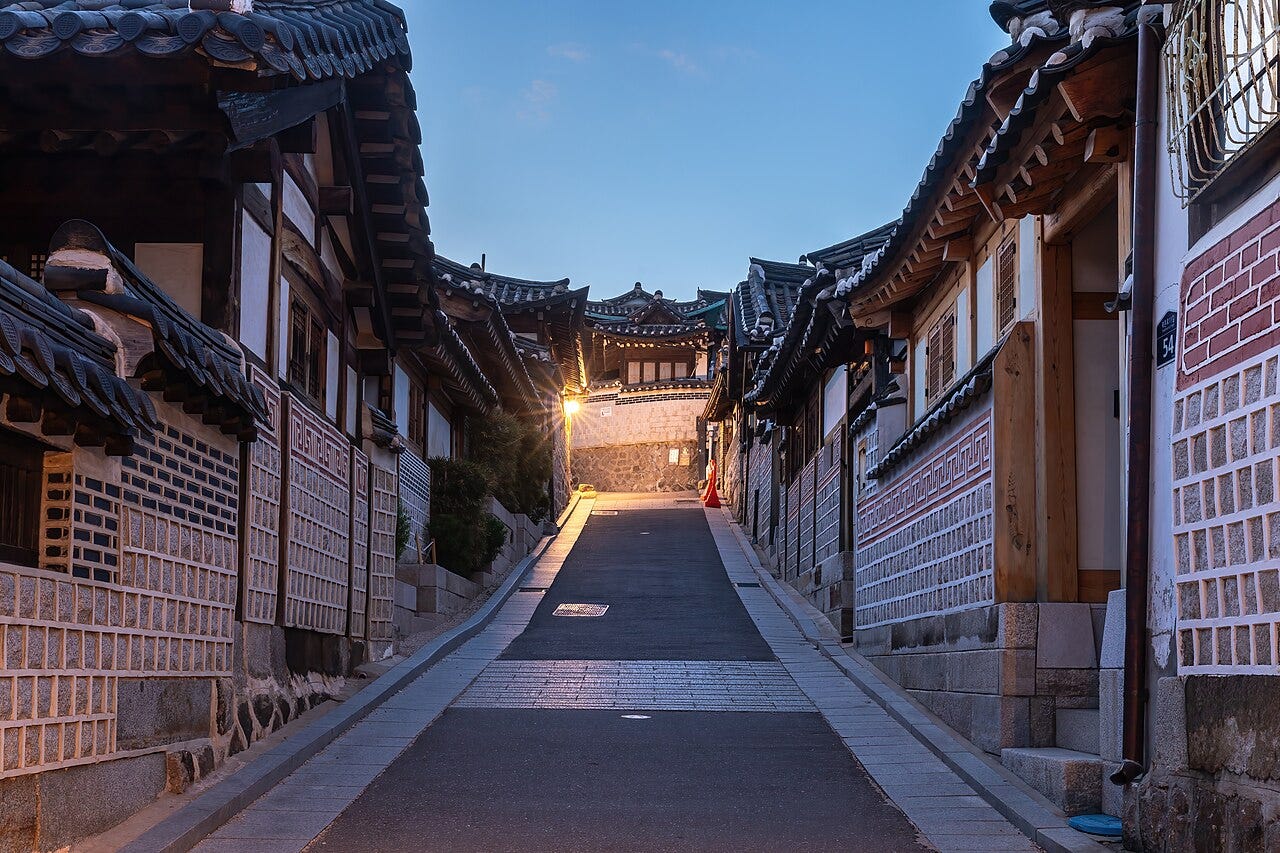
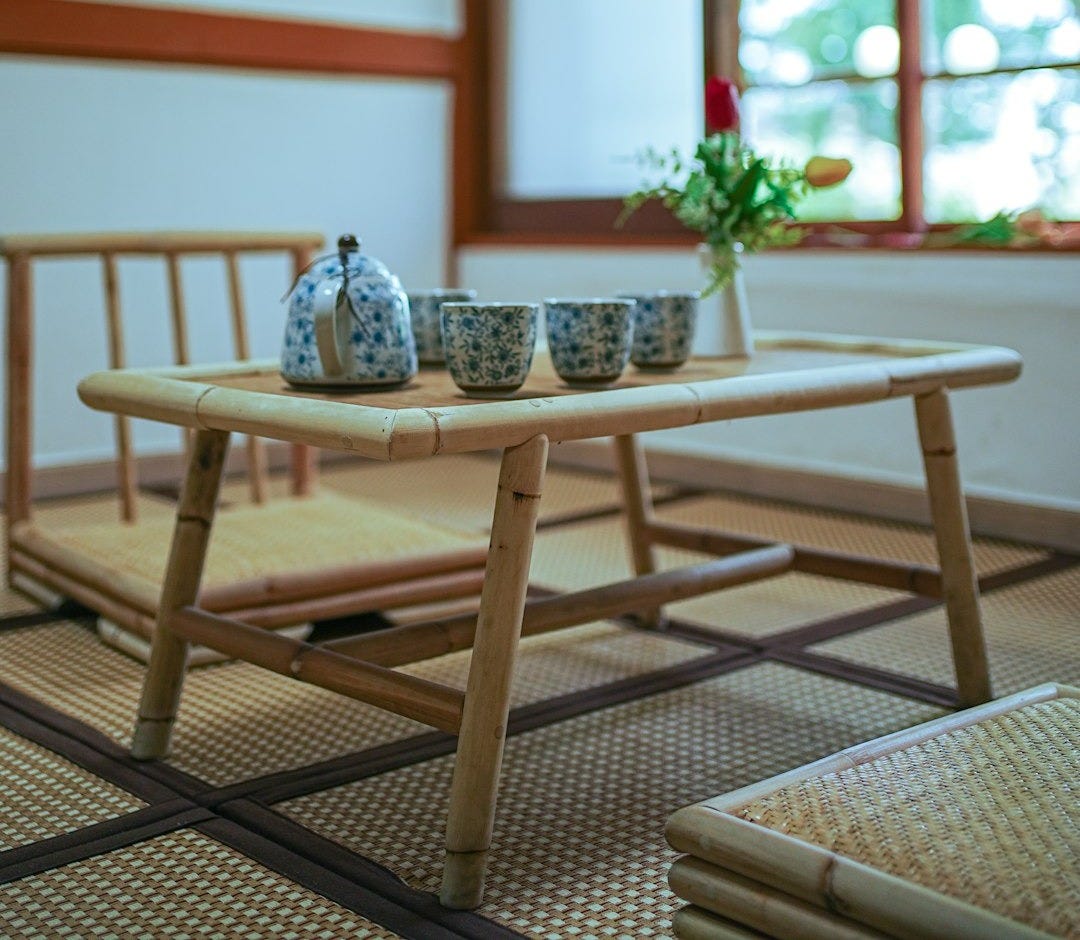
Traditional homes, known as Hanok, were designed with raised stone floors covering the heating flues, thin bedding or mats, called yo, placed directly on the floor, and low furniture for dining and resting.
Meals, conversations, and sleep often happened at floor level. The design encouraged flexibility in how rooms were used. Rooms could change purpose throughout the day, easily, as furniture was minimal.
According to the National Folk Museum of Korea, this adaptability became one of the defining characteristics of traditional Korean domestic life.
Material Design and Heat Retention
Traditional ondol floors required layered construction to manage heat.
Typical layers included (from bottom to top):
Stone flues (gorae) carrying hot smoke
Clay or soil insulation
Flat stone slabs (gudeul)
Oiled paper or flooring mats on top
These materials allowed heat to spread evenly while preventing the floor from becoming dangerously hot.
Clay and stone also retained warmth long after the fire ended. This made ondol efficient in Korea’s cold winters, especially in northern regions.
This floor-centered lifestyle reinforced the idea that warmth was something shared collectively within the home.
From Fire Channels to Modern Radiant Floors
Traditional ondol relied on wood fires, but the system evolved significantly during the twentieth century.
Modern Korean apartments use hydronic radiant floor heating, where hot water circulates through pipes embedded in concrete floors. While the technology changed, the core principle remained the same.
Today, ondol-style heating is standard in many South Korean homes and apartment buildings. Radiant floor heating systems inspired by ondol have also influenced modern architecture around the world.
Radiant heating is now recognized for several benefits including even temperature distribution, reduced air circulation of dust compared to forced-air systems, and improved thermal comfort at lower air temperatures.
Wellness and Comfort
Although traditional Koreans did not describe ondol in Western medical terms, many aspects of the system align with modern ideas about thermal comfort.
Radiant heating works by warming surfaces and bodies directly rather than heating air alone. Research in building science suggests this can produce a more stable indoor temperature and reduce the cooling effects of drafts.
The cultural effects may be just as important. Floor-based living encourages slower, grounded routines: sitting, stretching, and resting close to the ground. Biomechanical principles consistently align with floor-based activities, providing benefits like improved posture, increased flexibility, less joint stiffness, stronger cores, mindful body awareness, improved circulation, better digestion, and more.
Warm floors also create natural gathering points. Families historically gravitated toward heated rooms during winter evenings, reinforcing the home as a shared refuge.
Ondol Principles in Modern Life
Few homes outside Korea use traditional ondol systems, but the philosophy behind them offers inspiration.
Prioritize radiant comfort
If you’re able to, consider heated floors, radiant panels, and thermal mass materials when designing your home. These elements can create a similar gentle warmth to traditional ondol systems, but with modern convenience and energy efficiency. Examples of thermal mass materials include concrete and stone walls, water, and tile. Depending on the location and use of these materials, they can help regulate temperature throughout the year.
Design flexible rooms
Spaces that shift function throughout the day reflect the adaptability of traditional Korean interiors, a commonality it shares with other Asian cultures.
Encourage grounded living
Floor cushions, low tables, and layered textiles create spaces that invite relaxation and closeness. Incorporate practices like time-tested yoga, or even give the viral trend “floor time” a try.
Consider warmth as a design element
Instead of heating only the air, think about how warmth is experienced physically within a room.
I have the coldest extremities. It could be 72 degrees inside and I will still be blue and trembling if the surfaces I’m touching are cold. Making sure my feet are comfortable is very important to me.
Biomedical research has confirmed that warm feet can help us sleep better, too, as keeping extremities warm allows our cores to release heat. Better sleep leads to improved recovery, mental clarity, and immunity.
Warm feet are even essential for balancing yang energy in women, according to Traditional Chinese Medicine. This helps with improving hormones, energy, and reproduction.
Ondol shows how a single design idea can influence an entire culture of living.
Be warm and be well - Emily